
How to Tell If Silver Is Real: Understanding Silver Beyond the Price Tag
Simple Checks to Tell If Silver Is Real (And Their Limits)

Silver prices have been drawing attention lately. When that happens, people tend to look more closely at what they already own. Jewelry inherited from a family member. Flatware tucked into a cabinet. Decorative objects that have lived on a shelf for years.
This guide isn’t about predicting markets or telling anyone what to sell. It’s about understanding silver itself. What it is, how it was made, and why those details matter more than a single price point.
Collectors, appraisers, and dealers evaluate silver by looking at material, craftsmanship, age, and context together. The goal here is to explain how that thinking works, so you can recognize what matters and what doesn’t. If you already know some of the basics, feel free to skim. If you’re new to the subject, this will give you a solid foundation.
Many people searching for how to tell if silver is real assume there is a single test, but experienced collectors rely on a combination of indicators and context.
Why Silver Prices Draw Attention, But Don’t Tell the Whole Story
Silver occupies a unique place among precious metals. It has long been valued for its beauty and rarity, but it also plays a significant role in industry, technology, and manufacturing. Because of that, its market price tends to move in ways that catch public attention.
When prices rise, people naturally start asking questions. Is this worth something? Should I look more closely at what I have? Does age or condition matter?
Price, however, is only a starting point. Market value reflects what raw silver is trading for at a given moment. It does not explain why two silver objects of similar weight can be valued very differently, or why some silver objects are never treated as raw material at all.


To understand silver beyond the price tag, you have to look at what kind of silver you’re dealing with and why it was made in the first place.
“Silver” Is Not One Material
One of the most common misunderstandings is assuming that anything described as “silver” belongs to the same category. In reality, silver objects fall into several distinct groups, and those distinctions matter.
Sterling silver is an alloy made primarily of silver, traditionally containing 92.5 percent silver and 7.5 percent other metals for strength. It is solid silver throughout, not a surface treatment.


Silverplate, by contrast, is a thin layer of silver applied over another metal, often brass or nickel silver. Silverplate was widely produced for decorative and practical use, especially in the late 19th and early 20th centuries, because it allowed the appearance of silver at a lower cost.
The two can look very similar at first glance. That visual similarity is why they’re often confused, especially in inherited collections or mixed lots. But they belong to different categories and are evaluated very differently.
Understanding which group a piece belongs to is one of the first steps collectors take, long before questions of price enter the picture.
What Silver Marks Actually Tell You (And What They Don’t)
Marks on silver are some of the most useful clues collectors have, but they are often misunderstood. Numbers, symbols, and stamps can provide valuable information about material, origin, and manufacture. What they cannot do is explain an object's significance on their own.
The most familiar marks are purity numbers, which indicate silver content. The best-known example is 925, meaning sterling silver with 92.5 percent silver. Other marks such as 800, 835, and 900 also indicate solid silver, just at lower purity levels. These standards were common in different regions and periods and reflect how silver was traditionally used and regulated.
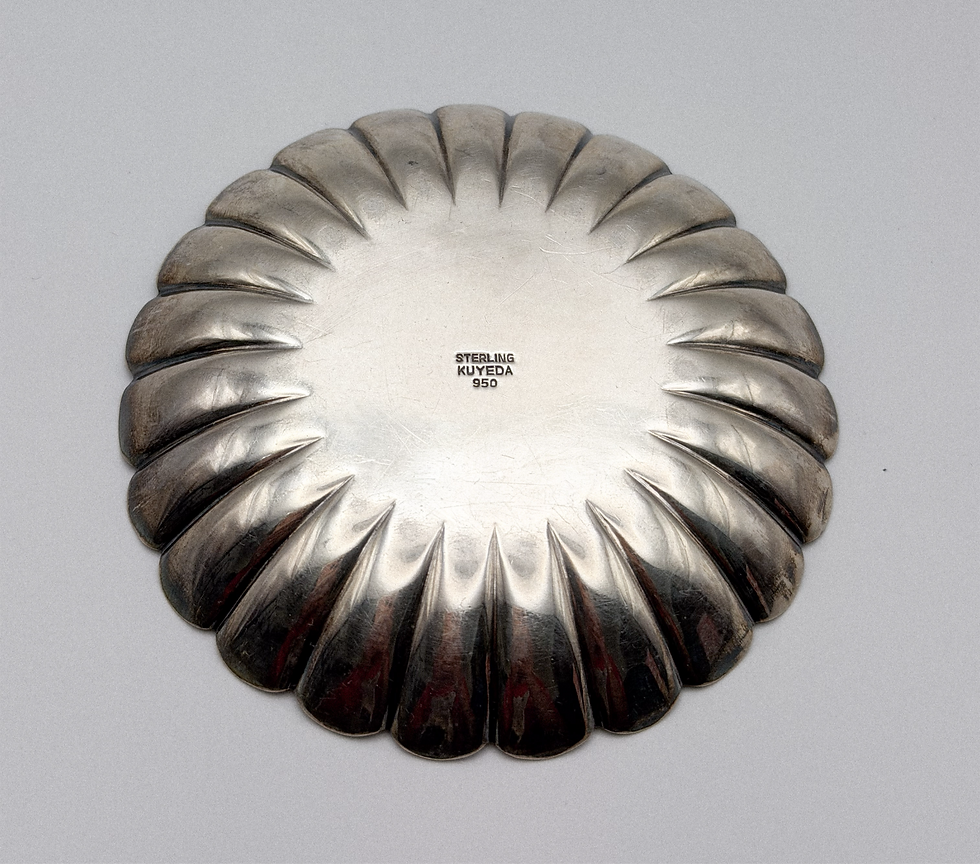
In Germany, for example, silver produced in the late nineteenth and early twentieth centuries was commonly made to an 800 silver standard. After 1884, objects meeting this standard were officially hallmarked with the national crescent and crown mark. This was not an informal category or a shortcut. It was the accepted legal standard for silver intended for regular use, balancing durability with precious metal content. Pieces made to this standard can still demonstrate high levels of craftsmanship, design, and historical significance.


Purity marks tell you how much silver is present. They do not tell you how an object was made, how much labor was involved, or why it exists.
Beyond purity numbers, hallmarks can include maker’s marks, assay symbols, and country identifiers. In some regions, hallmarking systems were tightly regulated and provide strong evidence for dating and attribution. In others, marking practices were looser, inconsistent, or localized.
It’s also important to recognize when marks are missing. Many older silver objects were produced before hallmarking was standardized, particularly in earlier centuries or outside centralized systems (for example Native American Silver work).


Marks can also be worn away through use, polishing, or repair. The absence of marks does not automatically mean an object is silverplate or without value. It simply means identification requires additional context.
This is why experienced collectors and appraisers treat marks as evidence, not verdicts. They are read alongside construction, wear patterns, form, material behavior, and historical use. Marks help narrow possibilities, but they do not replace interpretation.
Understanding silver begins with reading its marks carefully, but it doesn’t end there.
Simple Checks Collectors Use (And Their Limits)
When silver is evaluated informally, there are a few basic checks that collectors often use as starting points. These are useful indicators, but they are not definitive tests.
One common check is magnetism.
Sterling silver is not magnetic, so a strong magnetic response can suggest that an object is not solid silver. That said, a lack of magnetism alone does not confirm that a piece is sterling. Many non-silver metals are also non-magnetic.
Weight and feel are another consideration. Solid silver tends to feel heavier than plated objects of similar size. Over time, experienced collectors develop a sense for this, but it is a comparative skill rather than a precise measurement.


Surface wear can also provide clues. On silverplate, wear often reveals a different metal beneath the surface, sometimes visible as discoloration or tonal change. Solid silver wears differently, developing patina rather than exposing a base layer.
Beyond visual and physical checks, professionals often use acid testing to assess silver content more reliably. Acid tests involve applying a small amount of testing solution to a discreet area of the metal to observe a reaction that indicates silver purity (the redder the solution turns, the more pure the silver content is). This method is widely used in the trade because it provides clearer information than at-home indicators alone. Proper acid testing requires experience and the correct materials to interpret results accurately and without unnecessary damage, which is why many collectors bring items to a specialist for this step.
Each of these checks offers information, but none should be treated as proof on its own. They work best when considered together and alongside other factors such as age, construction, and intended use.
Hollowware, Craftsmanship, and Why Melt Value Falls Short
One of the clearest examples of why silver cannot be reduced to raw material value is hollowware.
Hollowware refers to functional silver objects such as bowls, pitchers, teapots, serving pieces, and other table or decorative forms. These objects were often labor-intensive to produce, requiring skilled shaping, joining, and finishing rather than simple casting.
Because of this, hollowware was designed first as an object, not as a store of metal. Its value has always been tied to form, craftsmanship, and function. In many cases, the amount of labor involved far outweighs the value of the silver content alone.

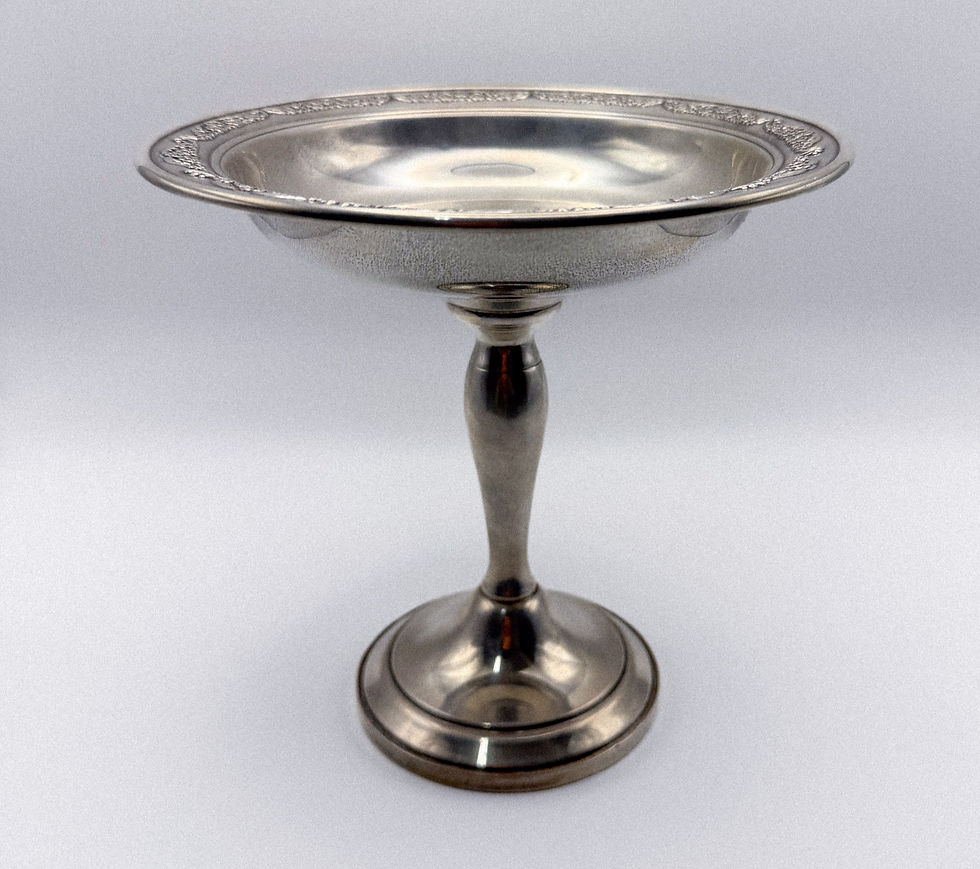
This is why melt value is often a poor lens through which to view antique or well-made silver. Reducing hollowware to weight ignores the historical and material decisions that went into its creation. For collectors, these pieces are evaluated as designed objects, not as raw resources.
Understanding this distinction helps explain why some silver is preserved, collected, and studied, while other silver is treated as material. The difference lies not just in what it’s made of, but in why it exists.
How Age and Country of Origin Shape Silver
Once silver has been identified as solid, collectors often look next to where and when it was made. These factors don’t just add background. They help explain why certain silver objects are consistently valued more highly than others, even when metal content is similar.
In the United States, silver and jewelry production expanded rapidly from the nineteenth century through the post–World War II era, particularly in the Northeast. Much American silver from this period reflects a moment when skilled labor and heavy industrial machinery worked together at scale. As domestic manufacturing declined in the later twentieth century, pieces from this era came to represent production methods and skill sets that are no longer common, which contributes to their appeal today.


Italy is valued less for period scarcity and more for technical excellence. Northern Italy remains one of the global centers of jewelry manufacturing, known especially for precision chain, clasps, and finishing. Italian silver is widely present in the U.S. market and is often valued for consistency, engineering, and finish rather than age.
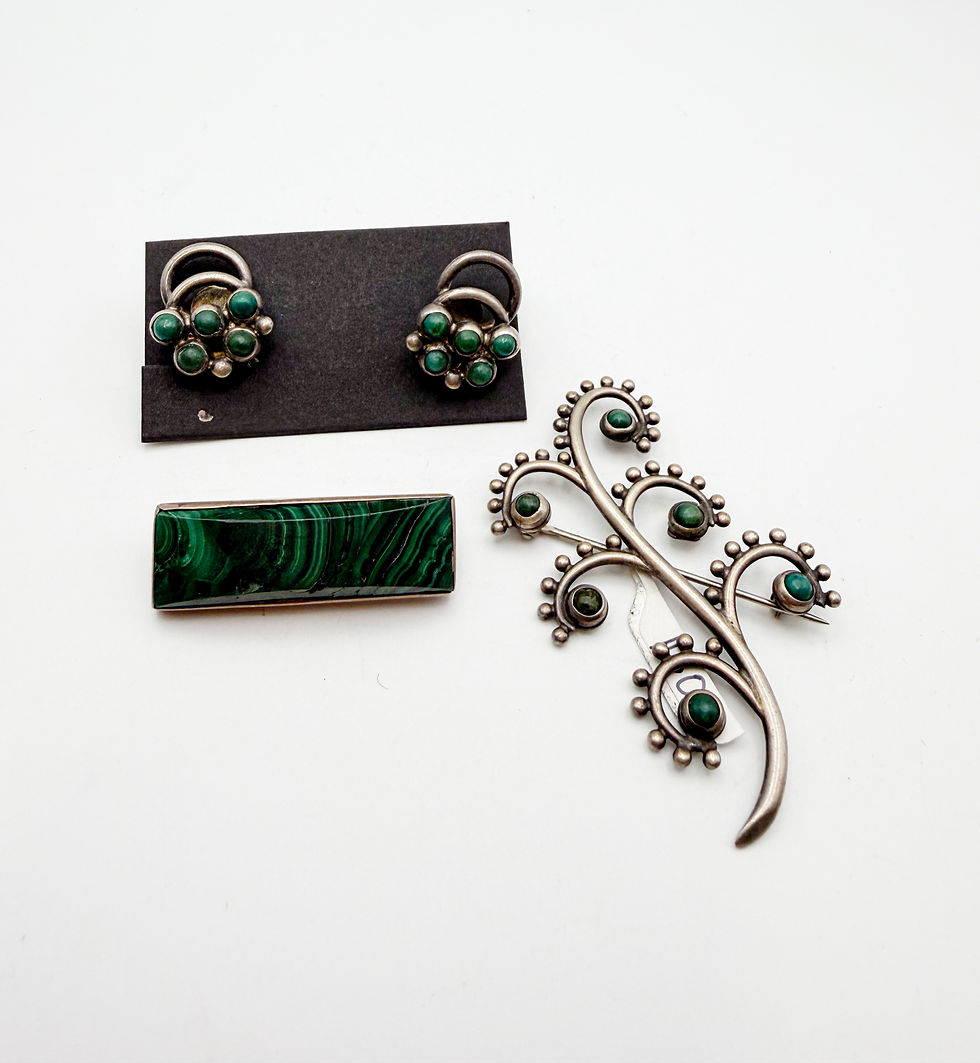
Mexico reflects a more craft-centered tradition. Long associated with silver mining, Mexican silver jewelry has historically been produced through small workshops rather than large factories. Many collectors value Mexican silver for bold form, hand fabrication, and design character, even when alloy standards vary.


Across Asia, silver production tends to emphasize technique and form over historical age. Regions such as Indonesia and Thailand are known for casting, stone setting, and decorative traditions that draw on long-standing design languages while supporting large-scale modern production. In these contexts, value often comes from workmanship and visual impact rather than rarity.
Alongside geography, period plays a crucial role. Earlier silver reflects hand labor and limited tooling, while later silver reflects mechanization and broader consumer access. Certain periods are valued not because they contain more silver, but because they capture moments when craftsmanship, design, and cultural use aligned in distinctive ways.
Understanding silver through country of origin and period allows collectors to move beyond surface evaluation. It explains why two objects of similar purity and weight can occupy very different positions in the market, and why silver is often valued as a record of how and when it was made, not just as a material.

For collectors, these distinctions are part of what makes silver interesting. For inheritors, they explain why quick assumptions often fall short.
When It’s Worth Getting a Second Opinion
There are many situations where a second look is necessary.
Mixed collections are one. Inherited groups often contain a combination of sterling, silverplate, unmarked pieces, and later reproductions. Evaluating these accurately requires comparison and context.
Unmarked or unusual objects are another. As discussed earlier, the absence of hallmarks does not automatically indicate plating or lack of value. Construction, wear patterns, and material behavior often tell a more complete story.


Finally, when silver does not fit neatly into common categories, professional evaluation becomes especially important. Tools such as acid testing, along with experience interpreting form and manufacture, allow specialists to assess silver in ways that go beyond surface indicators.
Understanding silver is not about finding a single definitive test. It’s about gathering evidence, weighing factors, and knowing when material, craftsmanship, age, and origin align.
Closing Thought
Silver has always existed at the intersection of material and meaning. Market prices may draw attention, but they don’t explain why certain objects endure, why others are collected, or why some pieces are valued as artifacts rather than resources.

Understanding what you have is the first step, whether you are a collector, an inheritor, or simply curious. Knowledge allows you to make informed decisions without urgency and to recognize silver for what it is, not just what it weighs.
If you ever encounter a piece that raises questions, context matters. We’re always happy to help look more closely and talk through what you’re seeing.


Nice read, the topic is explained clearly and is very helpful for daily price tracking. I recently explored NiftyTrader while looking into Silver Rate Today in Ahmedabad.